Decoding Pet Vaccinations: A Pet Owner's Essential Guide
- posted: Feb. 29, 2024
A Pet Owner's Essential Guide to Vaccinations
Vaccines are essential for protecting your pet from several harmful diseases that could lead to severe health complications or death. Understanding the vaccines your pet requires is vital for protecting its health and well-being in the future. Glastonbury Animal Hospital in Glastonbury, CT, is here to clarify current vaccine protocols and empower pet owners to make informed decisions regarding their pet’s health and happiness. Continue reading to learn the core vaccines required for cats and dogs and when to establish a wellness schedule.
Vital Core Vaccines for Dogs
Distemper, parvovirus, and canine hepatitis vaccines comprise core immunizations for canines. The rabies vaccine is a mandatory core vaccine required by law in most states. Most of these vaccines require an initial puppy care series, followed by regular boosters protecting against deadly contagious diseases. Rabies remains mandated every 1 to 3 years by law. Your veterinarian near you can also recommend several non-core vaccines based on your dog’s environment and lifestyle.
Essential Vaccines for Cats
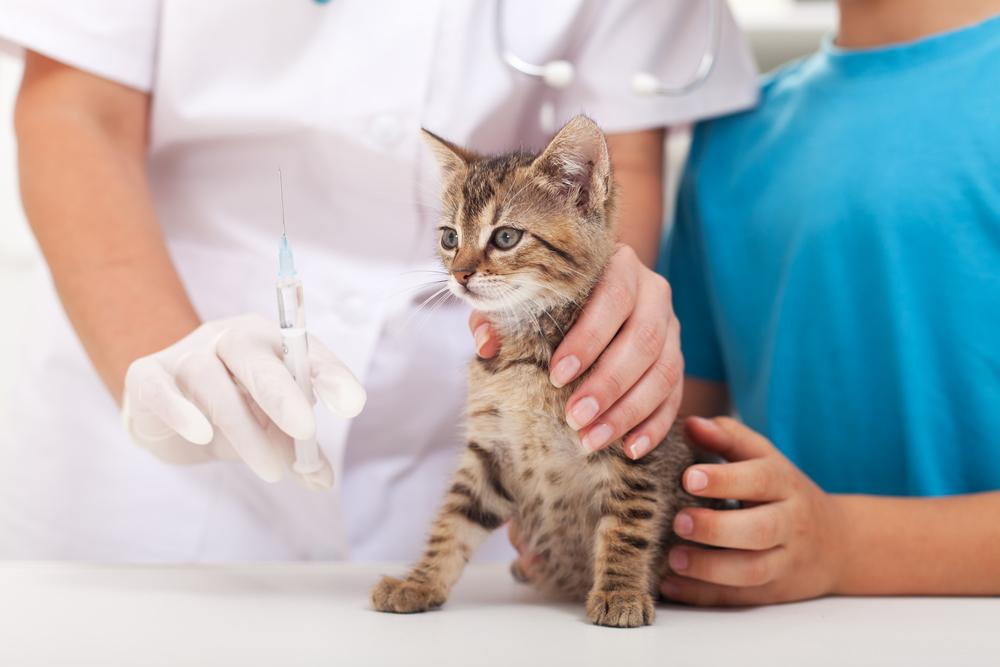
Feline distemper, calicivirus, herpesvirus, and the rabies vaccine are vital immunizations for all cats. Depending on your cat’s risk and lifestyle, your vet may recommend the feline leukemia virus, Chlamydophila, and Bordetella vaccine. You should bolster most of these vaccines yearly to keep your cat protected and healthy.
Establishing a Wellness Schedule
Beginning necessary vaccines shortly after adopting a pet prevents vulnerability before outside exposures occur. Puppies and kittens require a series of boosters to build adequate immunity through 16 to 20 weeks of age as maternal antibodies from their mothers’ milk wear off. Our vet tailors a wellness plan outlining which vaccines suit your pet’s lifestyle. They will explain which diseases your pet is at most risk for and offer appropriate vaccines to protect it from them. Our vet also provides preventative care to protect your pet from parasites, including heartworm medication and dewormers.
Understanding Vaccine Reactions
Some pets may experience soreness at injection sites or a mild fever following vaccination. Some severe reactions to vaccines include facial swelling, difficulty breathing, and reduced appetite. Your veterinarian near you can provide antihistamines or steroids to treat your pet’s allergic reaction. You should monitor your pet closely after vaccination and alert your vet if your pet shows significant symptoms.
Visit Your Vet at Glastonbury Animal Hospital for High-Quality Pet Care Today
Vaccines are the best way to protect your pet from several diseases that could prove fatal, so contact Glastonbury Animal Hospital in Glastonbury, CT, to get the preventative care necessary to keep your pet happy and healthy in the future. Call us and schedule a wellness exam today at (860) 633-8394 to protect your pet’s health and well-being.
- posted: Feb. 29, 2024
A Pet Owner's Essential Guide to Vaccinations
Vaccines are essential for protecting your pet from several harmful diseases that could lead to severe health complications or death. Understanding the vaccines your pet requires is vital for protecting its health and well-being in the future. Glastonbury Animal Hospital in Glastonbury, CT, is here to clarify current vaccine protocols and empower pet owners to make informed decisions regarding their pet’s health and happiness. Continue reading to learn the core vaccines required for cats and dogs and when to establish a wellness schedule.
Vital Core Vaccines for Dogs
Distemper, parvovirus, and canine hepatitis vaccines comprise core immunizations for canines. The rabies vaccine is a mandatory core vaccine required by law in most states. Most of these vaccines require an initial puppy care series, followed by regular boosters protecting against deadly contagious diseases. Rabies remains mandated every 1 to 3 years by law. Your veterinarian near you can also recommend several non-core vaccines based on your dog’s environment and lifestyle.
Essential Vaccines for Cats
Feline distemper, calicivirus, herpesvirus, and the rabies vaccine are vital immunizations for all cats. Depending on your cat’s risk and lifestyle, your vet may recommend the feline leukemia virus, Chlamydophila, and Bordetella vaccine. You should bolster most of these vaccines yearly to keep your cat protected and healthy.
Establishing a Wellness Schedule
Beginning necessary vaccines shortly after adopting a pet prevents vulnerability before outside exposures occur. Puppies and kittens require a series of boosters to build adequate immunity through 16 to 20 weeks of age as maternal antibodies from their mothers’ milk wear off. Our vet tailors a wellness plan outlining which vaccines suit your pet’s lifestyle. They will explain which diseases your pet is at most risk for and offer appropriate vaccines to protect it from them. Our vet also provides preventative care to protect your pet from parasites, including heartworm medication and dewormers.
Understanding Vaccine Reactions
Some pets may experience soreness at injection sites or a mild fever following vaccination. Some severe reactions to vaccines include facial swelling, difficulty breathing, and reduced appetite. Your veterinarian near you can provide antihistamines or steroids to treat your pet’s allergic reaction. You should monitor your pet closely after vaccination and alert your vet if your pet shows significant symptoms.
Visit Your Vet at Glastonbury Animal Hospital for High-Quality Pet Care Today
Vaccines are the best way to protect your pet from several diseases that could prove fatal, so contact Glastonbury Animal Hospital in Glastonbury, CT, to get the preventative care necessary to keep your pet happy and healthy in the future. Call us and schedule a wellness exam today at (860) 633-8394 to protect your pet’s health and well-being.
Locations
HOURS OF OPERATION
Glastonbury Office
Monday
8:00 am - 6:00 pm
Tuesday
8:00 am - 6:00 pm
Wednesday
8:00 am - 6:00 pm
Thursday
8:00 am - 6:00 pm
Friday
8:00 am - 6:00 pm
Saturday
Closed
Sunday
Closed
Marlborough Office
Monday
9:00 am - 3:00 pm
Tuesday
9:00 am - 3:00 pm
Wednesday
9:00 am - 3:00 pm
Thursday
9:00 am - 3:00 pm
Friday
9:00 am - 3:00 pm
Saturday
Closed
Sunday
Closed
