The Science Behind Dog Vaccines: How They Work in the Immune System
- posted: Nov. 07, 2025
At Glastonbury Animal Hospital, we understand that keeping your dog healthy is a top priority. Vaccines play a critical role in protecting dogs from serious and potentially life-threatening diseases. Understanding how vaccines work in the immune system can help pet owners make informed decisions and ensure their pets receive the best care available.
How Vaccines Stimulate Immunity
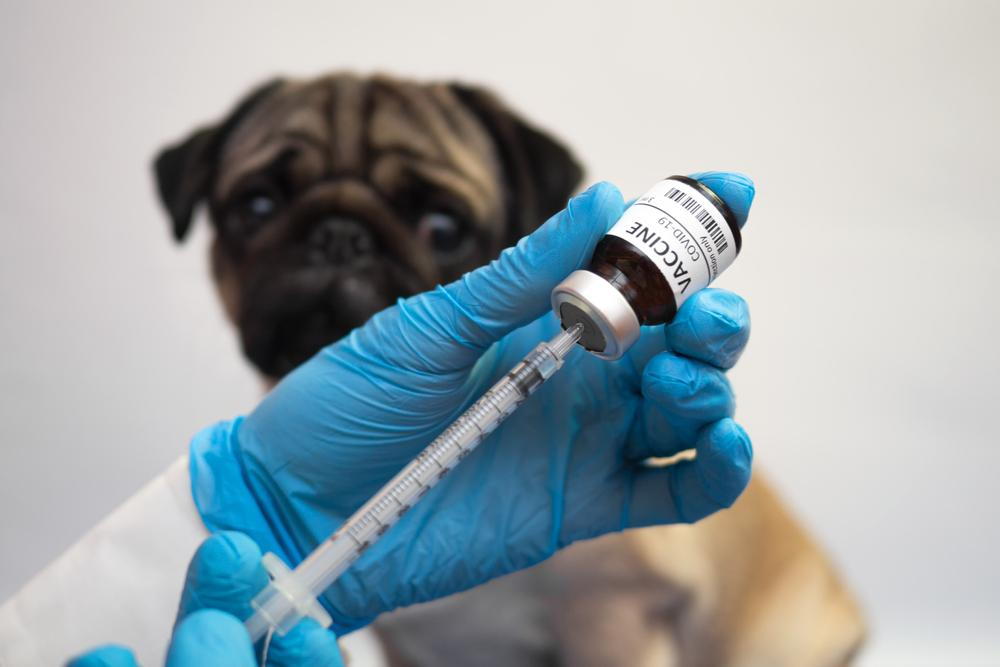
Vaccines contain harmless parts of a virus or bacterium, known as antigens. When introduced into a dog’s body, these antigens do not cause illness but trigger the immune system to respond. White blood cells recognize the antigens as foreign and produce antibodies to fight them. This process trains the immune system to respond quickly if the dog encounters the actual pathogen in the future, providing protection against the disease.
Types of Dog Vaccines
There are two main types of vaccines used for dogs: core vaccines and non-core vaccines. Core vaccines protect against diseases that are widespread and dangerous, such as rabies, distemper, and parvovirus. Non-core vaccines target less common or region-specific illnesses, like Lyme disease or Bordetella. Some shots use inactivated pathogens, while others use modified live agents that stimulate a stronger immune response without causing disease.
The Role of Booster Shots
Booster shots are necessary to maintain immunity over time. The immune system’s memory can fade, and booster doses remind the body how to recognize and fight specific pathogens. Our veterinarians at Glastonbury Animal Hospital schedule these follow-up immunizations based on your dog’s age, health, and lifestyle to ensure continuous protection.
Safety and Monitoring
Vaccines are thoroughly tested for safety and effectiveness before they are recommended for dogs. Mild side effects such as soreness or temporary lethargy can occur, but serious reactions are rare. Monitoring your pet after vaccination allows for prompt attention if any unexpected symptoms arise.
Visit Us for Pet Vaccination near You
Improving your dog’s overall health starts with proper vaccination. Contact Glastonbury Animal Hospital to discuss which vaccines are right for your pet and to schedule your appointment. You can reach our Glastonbury clinic at (860) 633-8394 or our Marlborough location at (860) 295-3939. When you’re searching for a veterinarian near you, we’re here to guide you every step of the way!
- posted: Nov. 07, 2025
At Glastonbury Animal Hospital, we understand that keeping your dog healthy is a top priority. Vaccines play a critical role in protecting dogs from serious and potentially life-threatening diseases. Understanding how vaccines work in the immune system can help pet owners make informed decisions and ensure their pets receive the best care available.
How Vaccines Stimulate Immunity
Vaccines contain harmless parts of a virus or bacterium, known as antigens. When introduced into a dog’s body, these antigens do not cause illness but trigger the immune system to respond. White blood cells recognize the antigens as foreign and produce antibodies to fight them. This process trains the immune system to respond quickly if the dog encounters the actual pathogen in the future, providing protection against the disease.
Types of Dog Vaccines
There are two main types of vaccines used for dogs: core vaccines and non-core vaccines. Core vaccines protect against diseases that are widespread and dangerous, such as rabies, distemper, and parvovirus. Non-core vaccines target less common or region-specific illnesses, like Lyme disease or Bordetella. Some shots use inactivated pathogens, while others use modified live agents that stimulate a stronger immune response without causing disease.
The Role of Booster Shots
Booster shots are necessary to maintain immunity over time. The immune system’s memory can fade, and booster doses remind the body how to recognize and fight specific pathogens. Our veterinarians at Glastonbury Animal Hospital schedule these follow-up immunizations based on your dog’s age, health, and lifestyle to ensure continuous protection.
Safety and Monitoring
Vaccines are thoroughly tested for safety and effectiveness before they are recommended for dogs. Mild side effects such as soreness or temporary lethargy can occur, but serious reactions are rare. Monitoring your pet after vaccination allows for prompt attention if any unexpected symptoms arise.
Visit Us for Pet Vaccination near You
Improving your dog’s overall health starts with proper vaccination. Contact Glastonbury Animal Hospital to discuss which vaccines are right for your pet and to schedule your appointment. You can reach our Glastonbury clinic at (860) 633-8394 or our Marlborough location at (860) 295-3939. When you’re searching for a veterinarian near you, we’re here to guide you every step of the way!
Locations
HOURS OF OPERATION
Glastonbury Office
Monday
8:00 am - 6:00 pm
Tuesday
8:00 am - 6:00 pm
Wednesday
8:00 am - 6:00 pm
Thursday
8:00 am - 6:00 pm
Friday
8:00 am - 6:00 pm
Saturday
Closed
Sunday
Closed
Marlborough Office
Monday
9:00 am - 3:00 pm
Tuesday
9:00 am - 3:00 pm
Wednesday
9:00 am - 3:00 pm
Thursday
9:00 am - 3:00 pm
Friday
9:00 am - 3:00 pm
Saturday
Closed
Sunday
Closed
